Unified Communications Headsets Reshape How Teams Connect

The modern workplace demands seamless connectivity across calls, video, and messaging. Unified communications headsets sit at the center of that shift.
These devices bridge video conferencing platforms, phone systems, and team chat apps into one physical anchor point. They've moved from luxury to baseline expectation in distributed teams.
Why UC Headsets Matter Now
A decade ago, headsets were call-room equipment. Today, unified communications platforms like Teams, Zoom, and WebEx demand hardware that doesn't force users to choose between one app and another.
The payoff is tangible: no more fumbling between Bluetooth pairing, USB switching, or echo cancellation toggling. One click, one device, full audio presence across everything.
What Makes a UC Headset Different
The Hardware Landscape in 2026
The UC headset market has consolidated around two wear styles: over-ear (full workday comfort, ANC depth) and true-wireless buds (portability, discretion).
Enterprise IT teams now evaluate based on lifecycle cost, not sticker price. Plantronics and similar manufacturers publish total-cost-of-ownership metrics that account for firmware updates, warranty, and real-world battery longevity.
Over-ear dominates in hub offices and customer-facing roles. True-wireless buds have carved out space in sales, field ops, and BYOD environments where users roam.

Three Trends Shaping UC Headset Design
1. AI-driven noise cancellation
Machine learning filters distinguish speech from ambient noise in real time. Older directional mics couldn't handle concurrent keyboard typing and HVAC hum. New chipsets can.
2. Biometric and health integrations
Headsets now log fatigue signals—long call stretches, voice stress markers—feeding wellness dashboards. This sits at the intersection of collaboration and employee experience.
3. Standardized docking and fleet management
Hot-desking teams rely on shared headset pools. Docking stations now track firmware, battery health, and user pairing history—reducing IT friction.
What Teams Actually Care About
In surveys of mid-market tech companies, three pain points emerge: dropped Bluetooth handoffs between devices, poor call quality in open offices, and battery anxiety mid-shift.
Newer UC headsets address all three. Persistent multi-point connectivity means a single call can drift from desk to phone without dropout. Advanced beamforming lets open-office workers take calls without isolation booths.
Eight-hour-plus battery life has become the floor, not a premium feature. Slow charging was a dealbreaker; fast-charge docks have made it a non-issue.
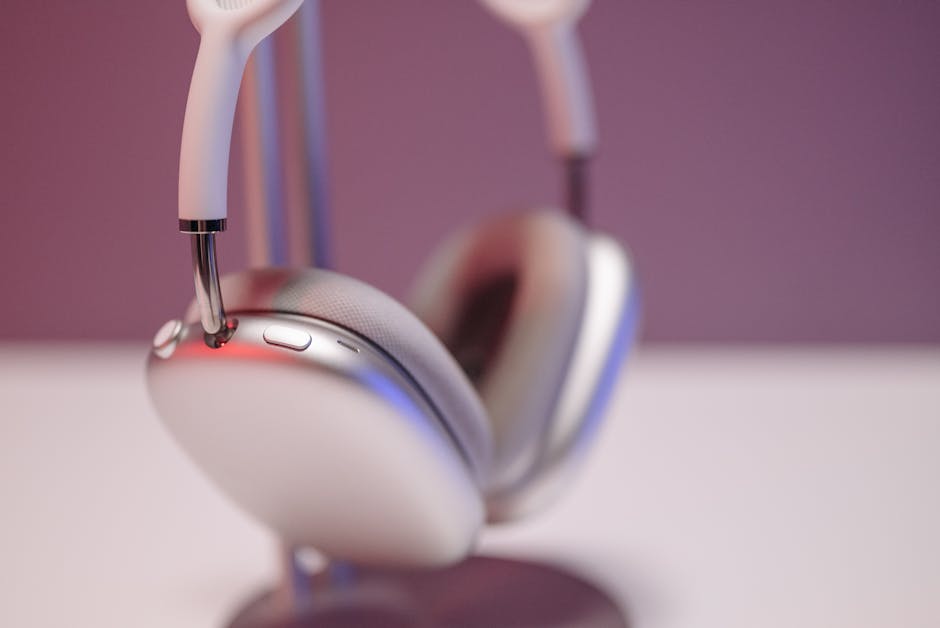
A headset certified for Teams may have latency quirks on Slack or WebEx. Check the compatibility matrix, not just the brand name. Most vendors now publish real-world performance tables by UC platform.
The Shift Away from Analog
Unified communications has moved the needle from analog phone rooms to digital collaboration. Headsets reflect that—analog PSTN lines are now a fallback, not the primary path.
This means firmware updates matter as much as hardware specs. A headset that can't auto-update will become a liability within 18 months.
Enterprise buyers now negotiate firmware-support contracts. Three-year commitments are standard; five-year is negotiable for larger orders.
The Ante Has Risen
UC headsets are no longer a convenience. They're part of the meeting-infrastructure baseline.
Teams expect them to vanish into the workflow—no setup, no switching, no compromise on audio. That bar has pushed manufacturers to invest in intelligent pairing, noise cancellation, and seamless cloud integration.
Organizations that treat headset procurement as a commodity purchase often regret it. The right device can reduce meeting fatigue and cut IT support tickets. The wrong one compounds both.