Wireless Headset Technology in 2026: What's Driving Innovation
From codec breakthroughs to AI-powered noise control, the wireless audio landscape has shifted dramatically.
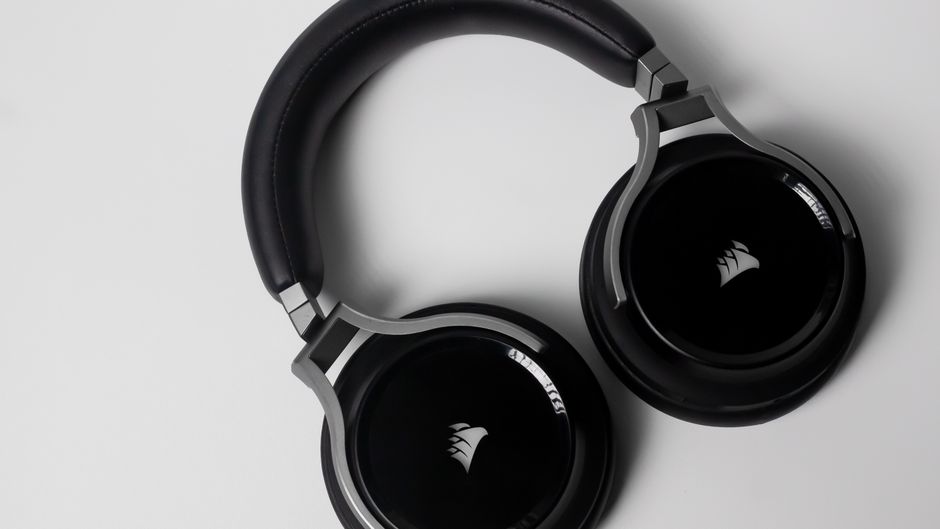
Wireless headsets have stopped being luxury accessories. They're now expected infrastructure—in offices, gyms, and commutes alike.
The technology powering them has accelerated. Battery life, latency, sound fidelity, and active noise cancellation have all matured in ways that would have seemed impossible five years ago.
Understanding what's changed—and why—matters for anyone shopping, recommending, or simply curious about where audio hardware is headed.
The Codec Wars Quietly Heated Up
Bluetooth codecs determine how audio is compressed before traveling from your phone to your headset. For years, the gap between wireless and wired audio quality felt real and defensible.
That gap has mostly closed. Newer codecs like LDAC, aptX Adaptive, and LC3 now handle bitrates and latency that make hi-res listening plausible over Bluetooth.
The catch: codec support is fragmented. Your phone, headset, and app all need to speak the same language. A Audio Engineering Society analysis showed that adoption of LDAC and aptX Adaptive still lags in consumer hardware, even as manufacturers tout
their presence.
Real-world listening often defaults to older codecs like SBC or AAC anyway—the safe fallback when everything isn't perfectly aligned.
Key Codec Comparison
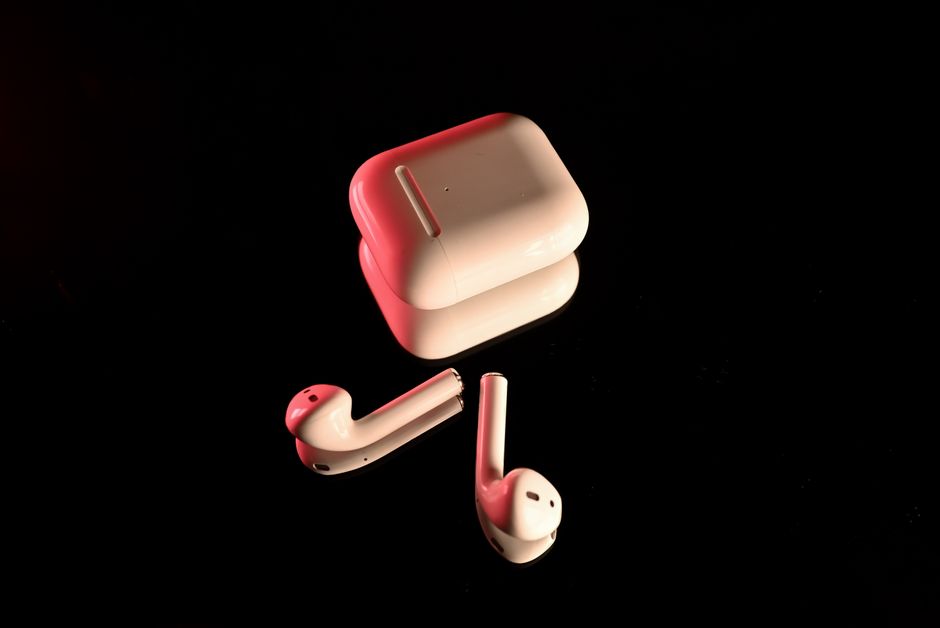
AI-Driven Noise Control Moves Beyond ANC
Active Noise Cancellation (ANC) is no longer novel—it's table stakes. The innovation now happens in software-defined audio processing.
On-device machine learning models now analyze ambient sound in real time. They distinguish between conversation, traffic, wind, and machinery, then apply targeted filtering rather than broad noise suppression.
Plantronics Headset and competitors have begun embedding neural-network-based speech enhancement that prioritizes voice frequencies while attenuating background rumble.
The trade-off: this processing demands more battery power and compute, which is why battery-life claims have plateaued even as chip efficiency has improved.
Latency Still Defines Use Cases
Bluetooth latency sits around 100-200ms in most consumer headsets. For music listening and calls, it's imperceptible.
Gaming and video editing remain problematic. Gamers notice lip-sync drift; content creators watch their speakers fall out of sync with editing timelines.
Some manufacturers now offer dual-mode connectivity: Bluetooth for mobility, 2.4GHz wireless dongles for gaming. It's an inelegant workaround, but it works.
Low-latency Bluetooth (LE Audio) promises sub-50ms performance, but widespread device support is still years away.
Five Wireless Headset Trends Worth Tracking
1. Spatial Audio Expansion — Apple's Dolby Atmos integration now has Android equivalents; head-tracking ANC is becoming affordable.
- Multi-speaker arrays inside ear cups
- Head-tracking sensors for dynamic soundscaping
- Simulated 3D audio even from stereo sources
2. Battery-Swap Modularity — Some open-design headsets now ship with user-replaceable battery packs, fighting planned obsolescence.
- Magnetic battery cartridges
- Quick-swap design under 30 seconds
- Third-party battery compatibility
3. Bone-Conduction Hybrids — Combining ear-cup speakers with bone conduction for ambient-aware listening without blocking the ear canal.
- Dual-driver architecture
- Awareness mode without removing headsets
- Niche appeal for cyclists and runners
4. Cross-Device Seamless Switching — Faster handoff between phone, tablet, and laptop using Bluetooth 5.3 multi-link features.
- Sub-second switching between paired devices
- Simultaneous multi-device connection
- Reducing manual re-pairing friction
5. AI-Powered Call Enhancement — On-device models that suppress background noise during calls without requiring cloud processing.
- Privacy-preserving local processing
- Real-time voice isolation
- Lower bandwidth for remote work scenarios
Manufacturer claims often assume continuous music playback at moderate volume in ideal conditions. Real-world use—frequent ANC toggling, varied volume, connectivity drops—cuts claimed battery life by 15-30%.
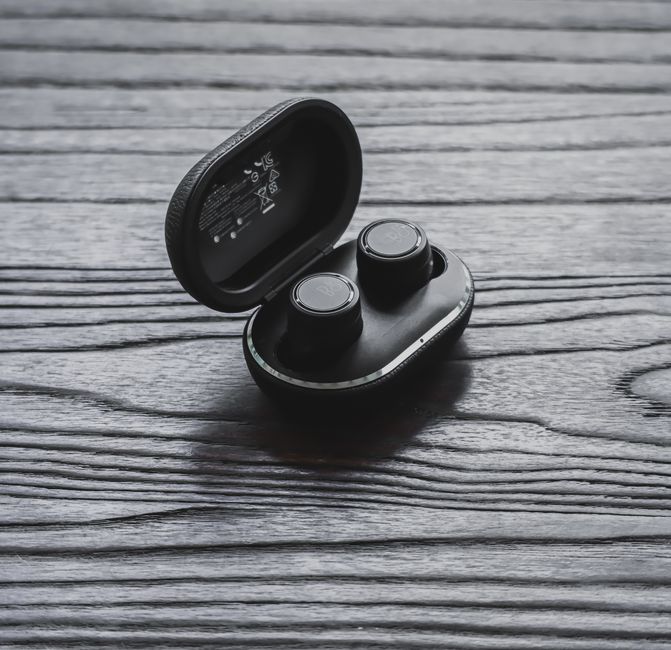
The Standards Fragmentation Problem
Unlike wired audio, where a 3.5mm jack provided universal compatibility, wireless standards fracture along vendor lines.
Bluetooth is ubiquitous but slow to evolve. Proprietary 2.4GHz dongles offer better latency and reliability but lock users into single-brand ecosystems.
Industry groups like ANSI oversee codec standards, but adoption remains voluntary and fragmented. Interoperability improvements require coordination across phone makers, headset manufacturers, and chipset vendors—rarely aligned priorities.
The Era of Incremental Gains
Wireless headset technology has matured. The breakthroughs are smaller now—better battery management, smarter ANC, faster switching.
For most users, this is good news: today's mid-range wireless headsets outperform flagship models from three years ago at a fraction of the cost.
The real friction now isn't audio quality or battery life. It's codec fragmentation, latency limits for specific use cases, and the creeping expectation that every device needs new proprietary software.
Look for 2026-2027 to finally bring LE Audio adoption across mainstream devices—the one change that could genuinely unify the landscape.