Studio Microphone Technology in 2026: Key Shifts for Recording
Capsule design, polar patterns, and preamp integration are reshaping how artists capture sound.
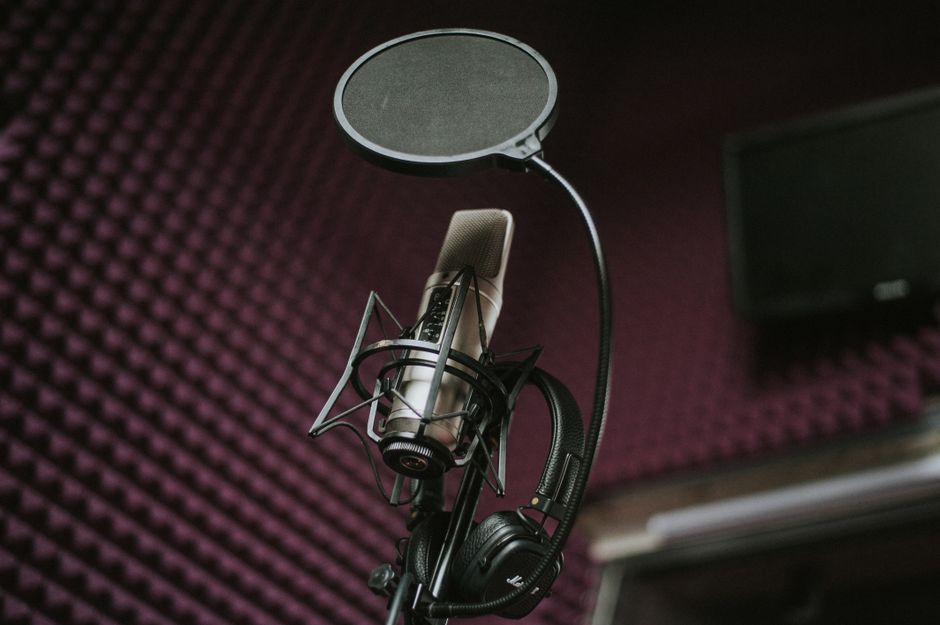
Studio microphone technology has evolved rapidly over the past five years, driven by improvements in capsule materials, digital processing, and wireless reliability.
The shift toward hybrid home-studio setups means microphones now balance studio-grade performance with compact form factors and straightforward connectivity.
Understanding the current landscape helps engineers and producers choose gear that aligns with their recording priorities.
Capsule Design Advances
Large-diaphragm condenser microphones still dominate vocal tracking, but capsule construction has become far more precise. Modern manufacturing tolerances allow for more consistent frequency response across production batches.
Dual-diaphragm and variable-pattern capsules are gaining traction in mid-range products, letting users switch polar patterns via preamp controls rather than swapping hardware.
According to Sweetwater's microphone breakdown, cardioid remains the default for vocals and instruments, but omnidirectional and figure-8 modes appeal to room-recording and ambience-capture workflows.

Five Key Trends Reshaping Studio Recording
1. Built-in Preamp Integration — Simplifies signal chain, reduces external gear clutter.
Many new models ship with onboard audio interfaces or preamp sections, eliminating the need for separate outboard equipment in compact studios.
2. USB-C and Hybrid Connectivity — Speeds up signal delivery, supports mobile recording.
USB-C audio interfaces embedded in microphone bodies let users connect directly to laptops and tablets without additional interfaces.
3. Lower Self-Noise Floors — Improves capture of quiet sources and room tone.
Preamp engineering continues to lower equivalent noise ratings, now often under 8 dB on premium condensers.
4. Wireless Reliability at Lower Latency — Enables live tracking and movement during performance.
Ultra-wideband and proprietary wireless codecs reduce dropouts and phase issues that plagued earlier iterations.
5. Modular Shock-Mount and Windscreen Design — Reduces cable noise, adapts to various mounting solutions.
Click-and-swap suspension systems and modular foam sleeves cut setup time and shipping bulk.
Frequency Response and Coloration Priorities
Engineers are increasingly deliberate about microphone character. Rather than seeking ultra-flat response, many studios select mics for specific tonal signatures that complement their genre.
Bright, presence-peaked designs suit podcasting and speech. Warm, bass-proximity mics serve vocals and acoustic instruments. Blue Microphones and comparable manufacturers now publish detailed polar patterns and frequency charts, letting buyers make informed choices before purchase.
This transparency moves the conversation away from vague marketing claims toward measurable performance data.
Quick Reference: Microphone Type Trade-Offs
The Role of Room Acoustics and Mic Placement
No microphone corrects poor room acoustics. Even premium capsules pick up flutter echo, room modes, and ambient noise if the recording space lacks absorption.
In 2026, savvy producers pair microphone selection with room treatment. Strategic placement—moving a mic inches off-axis or toward a treated corner—often matters more than swapping gear.
Polar pattern knowledge becomes critical here. A cardioid mic positioned in a corner rejects the room; an omnidirectional mic in the same spot captures it fully.
Test a microphone in YOUR room before committing. Room acoustics, mic stand resonance, and preamp gain structure vary so widely that a mic praised in one studio may sound muddy or thin in another.
Decoding Microphone Specifications
Sensitivity (typically rated in dBV/Pa) tells you how loud the output signal is per unit of sound pressure. Higher sensitivity (less negative, e.g., –35 dBV/Pa) suits quiet sources; lower sensitivity suits louder sources.
Maximum SPL indicates how loud a sound can be before the mic clips or distorts. Dynamic mics handle 130+ dB SPL; condensers typically cap out around 130 dB unless specifically designed for kick drums or snare.
Frequency response range is less important than the CHARACTER of that response. A mic rated 20 Hz–20 kHz is marketing noise; what matters is whether the presence peak sits at 5 kHz (bright vocals) or 10 kHz (instruments).
The Bottom Line
Modern studio microphone technology prioritizes flexibility and transparency. Built-in preamps, modular designs, and published specifications let producers make precise choices rather than rely on brand mythology.
Whether you're upgrading a home setup or outfitting a commercial studio, matching the microphone to your room, source, and mixing approach matters far more than chasing the most expensive option.
The real wins in 2026 come from understanding what your source needs and choosing a microphone that delivers measurable performance in your specific environment.