Professional Audio Headsets in 2026: What Remote Teams Actually Need
Sound quality and comfort matter more than ever as hybrid work becomes permanent.

Remote and hybrid work didn't go away. In 2026, millions of professionals spend more hours on video calls than ever before, and the headset they choose affects productivity, focus, and how colleagues perceive them.
A professional audio headset is no longer a luxury—it's infrastructure. The category has matured beyond noise-canceling gimmicks into genuine audio engineering.
Why Audio Matters in Remote Work
Call quality is a proxy for presence. When your microphone captures every keystroke or your speakers distort, listeners mentally disengage—they're working harder to follow you.
According to Gartner's unified communications research, audio clarity ranks ahead of video in enterprise preference surveys.
That gap exists because people tolerate blurry faces. Blurry audio reads as indifference or technical incompetence. It colors how managers evaluate your contributions.
Core Specs That Matter
The Comfort-Quality Trade-Off
Lightweight headsets often sacrifice audio isolation. Heavy, well-damped designs tire your ears after a few hours.
Plantronics and similar enterprise brands have spent years optimizing weight distribution and ear-cup padding—small details that compound over a six-hour workday.
Premium materials (memory foam, breathable fabrics) cost more upfront but preserve ear health and focus. Budget headsets often have cheap padding that hardens within months.

Five Key Buying Angles for 2026
1. Certified Compatibility — Works with your platform stack (Zoom, Teams, Slack, UC systems).
- USB Certified for major platforms
- Plug-and-play—no drivers required
- Multi-device pairing support
2. Passive Isolation Over Active Noise Cancel — Busy office or shared space.
- Physical ear-seal design
- No battery dependency
- Longer useful lifespan
3. Convertible Form Factor — Desk work mixed with movement.
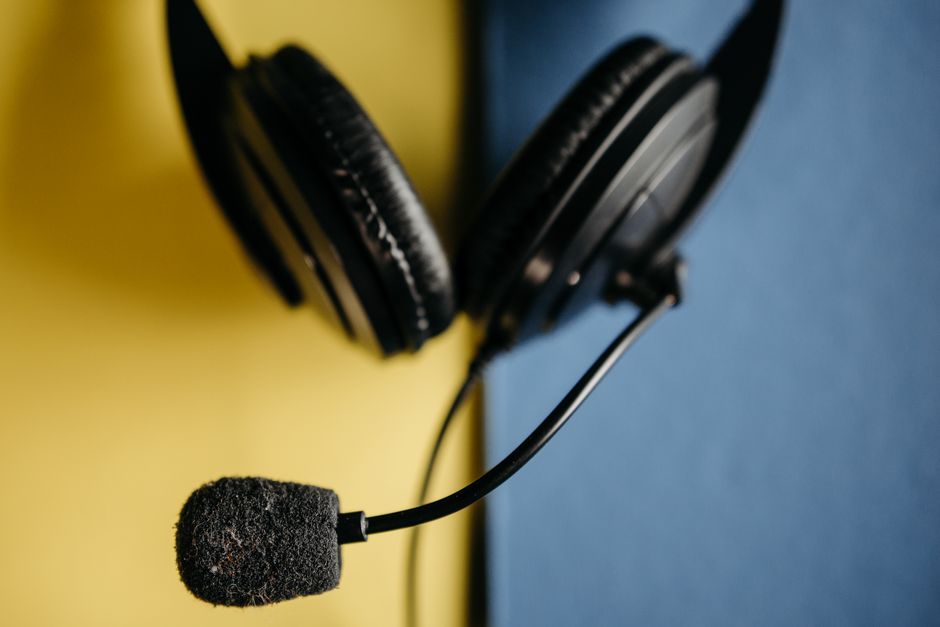
- Detachable boom mic
- Folding headband
- Wired + wireless options
4. Microphone Muting — Reduce 'mute anxiety' and feedback loops.
- Physical mute lever (not button)
- LED indicator visible to wearer
- One-handed operation
5. Durability & Warranty — Long-term value in enterprise environments.
- Replaceable ear pads and boom arm
- IP rating (dust/moisture resistant)
- 3+ year warranty standard
The Hidden Cost of Poor Audio
A $40 headset that breaks in six months costs far more in frustration and replacement hassle than a $180 headset rated for three years.
Beyond durability: bad audio damages professional reputation subtly. Colleagues mute you subconsciously. Managers question your commitment. Clients remember unclear calls.
Good audio is invisible. It makes you sound thoughtful, present, credible—attributes that matter in every remote interaction.
Test any headset for at least 30 minutes before committing. Real comfort only emerges after the first hour. Return policies matter more than brand names.
Looking at the Trend
In 2026, professional audio headsets are converging toward modular designs: swappable ear cups, detachable booms, wireless + wired hybrid modes.
This shift reflects a simple truth: remote work isn't temporary, and people invest in tools they use eight hours a day. Enterprise buyers now demand customization and repairability.
The market has matured past novelty. What remains is engineering rigor—the unglamorous work of getting frequency response, mic isolation, and comfort right.
The bottom line
Your headset is your voice in every remote meeting. Audio quality and wearing comfort are the only specs that matter long-term.
Skip the hype. Buy for durability, test for fit, and expect to keep the same headset for at least two years. That's the professional standard in 2026.