How Unified Communications Headsets Are Reshaping Remote Work
Audio quality and integration matter more than ever as teams stay dispersed.

Remote work isn't slowing down. Teams span continents, meetings happen back-to-back, and clear audio has become non-negotiable.
Unified communications headsets sit at the center of this shift—devices that do far more than play sound. They integrate with video conferencing, phone systems, and team messaging platforms all at once.
Understanding what makes a good UC headset matters whether you're IT-buying for a company or cobbling together your own setup at home.
The UC ecosystem expanded in 2026
Unified communications as a concept isn't new. Gartner defines it as a platform that integrates voice, video, messaging, and conferencing into a single interface.
What changed is scale. Microsoft Teams, Zoom, Google Meet, and Cisco Webex now handle voice calls, screen shares, and instant messaging from the same app.
Headsets designed for this world don't just connect to one platform—they're architected to work seamlessly across multiple systems at once.
What sets UC headsets apart
Why audio quality matters in distributed teams
A dropped call costs productivity. A muffled voice in a strategy meeting erodes credibility. UC headsets solve this by prioritizing clarity over novelty.
Manufacturers like Plantronics have spent decades optimizing microphone placement and speaker tuning for conference calls, not music streaming.
This focus shows in the details: noise-canceling mics that pick up your voice but mute keyboard clicks, custom EQ tuning for speech intelligibility, and compatibility testing across dozens of apps.

Key considerations when shopping for a UC headset
1. Platform compatibility — Check vendor documentation against every tool your team actually uses.
- Native drivers for Windows, Mac, or Linux
- Plug-and-play support for your primary conferencing app
- Firmware updates when new platforms launch
2. Wearing comfort for 8+ hour days — Headband padding, ear cup rotation, and weight distribution matter on your neck and ears.
- Adjustable headband with memory foam
- Rotating ear pieces to reduce pressure
- Under 200 grams for all-day wearability
3. Call management controls — Mute, volume, and answer/end call buttons should be within thumb reach.
- Physical buttons instead of touch-sensitive controls
- Dedicated mute switch with visual indicator
- Volume rocker that doesn't require mental math
4. Durability and warranty — UC headsets run daily; you need devices that last 2-3 years minimum.
- Reinforced cable junctions at stress points
- Replaceable ear cushions and cables
- Multi-year hardware warranty with support response SLA
5. Noise isolation strategy — Choose between active noise cancellation (power-hungry) or passive passive design (simpler, lighter).
- ANC for open-plan offices; passive for quiet home spaces
- Ambient passthrough mode to hear alerts or colleagues
- Sealed ear cups to block environmental chatter
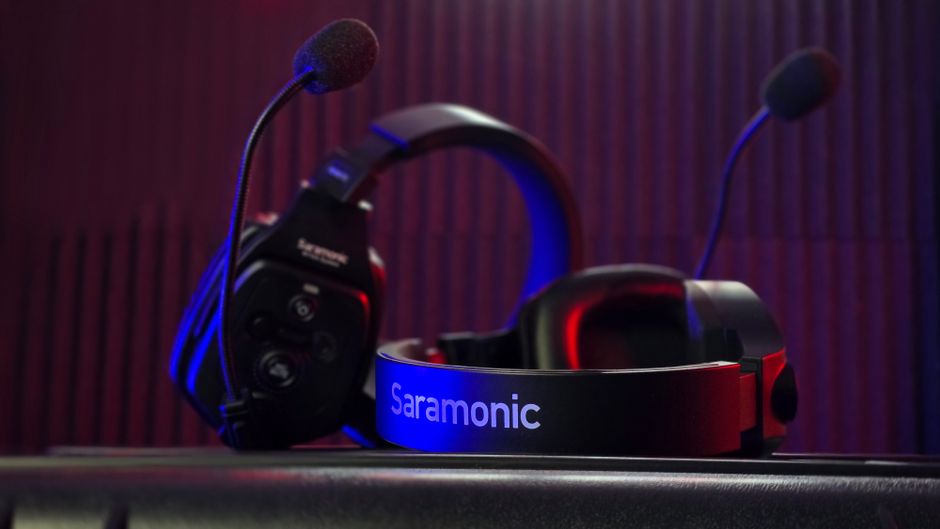
The enterprise vs. BYOD divide
IT departments buying in bulk prioritize standardization: one model, one driver, centralized firmware updates, bulk discounts.
Individual contributors working hybrid or remote often need flexibility—a headset that moves between home, office, and coffee shops without reimaging.
UC platforms themselves have blurred this line by supporting multiple headset vendors and input devices simultaneously.
This shift means feature parity matters less than integration depth and personal fit. Your headset choice depends on where you work most, not your company's purchasing agreement.
Join a team video call wearing the headset in-store or borrow a loaner for a day. Sound quality in a quiet room means nothing if the noise cancellation botches your actual office.
Looking ahead
Headset design has matured—most established models sound clean and integrate well with major platforms.
The next wave of differentiation will likely focus on longer battery life, lighter weight, and smarter noise cancellation that adapts to your environment in real time.
For now, the gap between a $150 and $400 headset is real but narrowing. Fit your head, test your main apps, and buy what you'll actually wear every day.
The bottom line
Unified communications headsets are no longer niche gear—they're core infrastructure for any role that involves video calls or phone work.
The best device isn't the one with the most features. It's the one that stays on your head all day, plays back voices clearly, and doesn't interrupt you to charge every four hours.
Test before buying, read reviews specific to your platforms, and remember that comfort beats specs every time.