How Professional Audio Headsets Shape Remote Work Communication
Hybrid offices demand better audio gear. Here's what drives adoption in 2026.

Remote and hybrid work has made audio quality a non-negotiable part of workplace infrastructure. A dropped call, muffled speech, or ambient noise bleeding into a video conference isn't just annoying—it damages credibility and productivity.
Professional audio headsets sit at the intersection of hardware reliability, acoustics engineering, and user experience. The gear that workers choose for eight hours a day shapes how teams communicate.
The shift in workplace audio standards
Five years ago, a decent USB headset from a consumer brand sufficed for occasional calls. That calculus has changed.
Teams now spend entire workdays in back-to-back video conferences. Audio fidelity matters more when voices are the primary information channel. Noise isolation and microphone clarity directly affect how clearly colleagues hear each other.
Enterprise adoption of unified communications platforms has accelerated the demand for headsets engineered specifically for professional use. Statista's unified communications outlook shows organizations investing heavily in tools that enable distributed workforces.

Core specs that separate professional headsets
Why organizations standardize on enterprise brands
IT departments favor headsets built for fleet deployment and lifecycle management. Enterprise brands offer bulk licensing, firmware updates, and tech support tailored to large teams.
Plantronics and similar vendors dominate because they treat headsets as part of a communications ecosystem, not standalone gadgets.
Support for integration with video platforms (Teams, Zoom, Google Meet) is table stakes. Compatibility APIs, certified call-control buttons, and standardized documentation reduce friction for IT rollouts.
What professionals prioritize in headset selection
1. Call clarity and noise isolation — Muted meetings and crystal-clear voice transmission trump all other features.
- Dual-microphone arrays
- Active noise cancellation
- Wind-noise rejection
2. All-day comfort — Eight-hour call loads require lightweight builds and pressure-point padding.
- Ergonomic headbands
- Moisture-wicking ear cushions
- Adjustable boom arms
3. Seamless platform switching — Workers juggle multiple apps—headsets must auto-detect and switch inputs.
- Multi-device pairing
- USB and wireless modes
- One-touch mute controls
4. Durability and warranty — Enterprise hardware budgets justify premium products with multi-year support.
- Reinforced cables
- Replaceable ear cushions
- Extended warranties
Sample a headset across your actual meeting environment before committing to fleet purchases. Call quality depends on your office acoustics, video platform, and internet stability—not just the hardware.
The economics of audio investment
A premium professional headset costs $200–$400 per unit. That's ten times the price of a basic consumer model.
The payoff: reduced call failures, fewer "can you hear me" interruptions, and fewer workers treating poor audio as a workaround problem. When communication is the job, audio quality becomes a productivity multiplier.
IT managers calculate total cost of ownership across hardware lifespan, replacement cycles, and support hours. Enterprise headsets typically survive 3–5 years, offsetting the upfront premium.
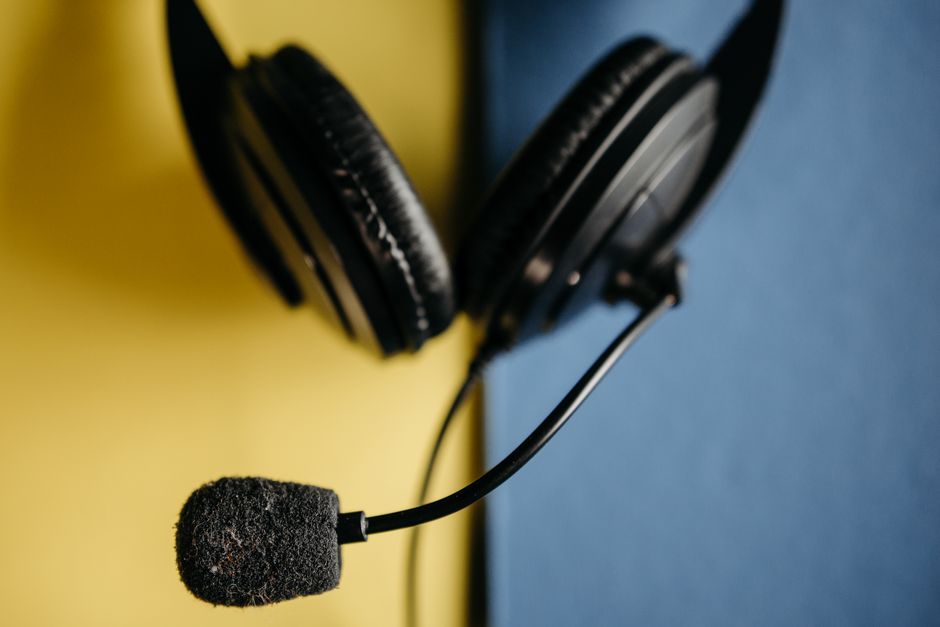
Audio is infrastructure
Professional audio headsets are no longer a personal preference—they're foundational workplace equipment. Organizations that treat them as such see measurable improvements in meeting effectiveness and employee satisfaction.
As remote work matures, the gap between consumer and enterprise audio will only widen. Workplaces that invest in the right tools now avoid communication friction later.