How Niche Collectibles Became Mainstream in 2026
Geek culture merchandise has shed its underground reputation—here's what changed.
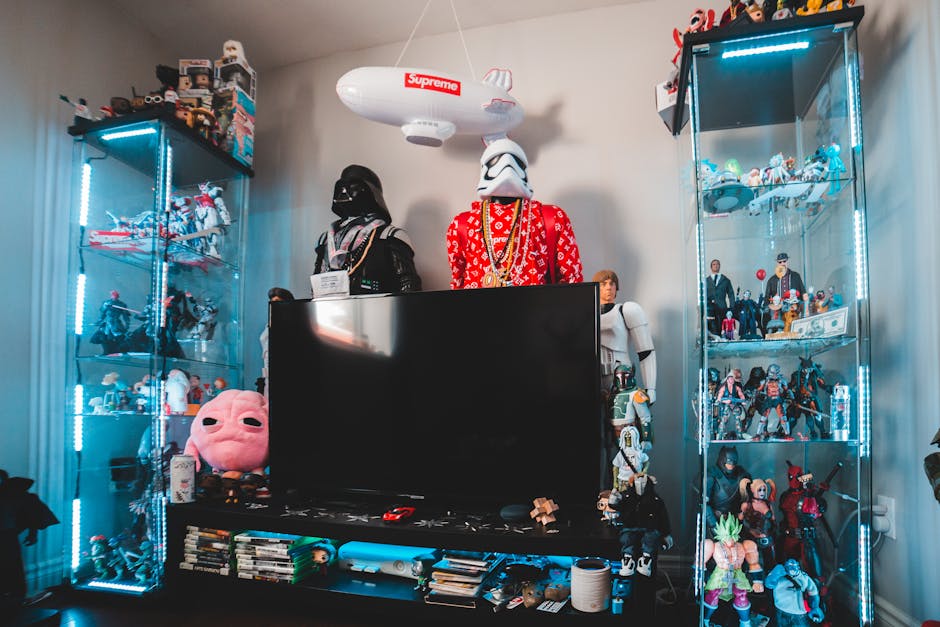
A decade ago, geek culture merchandise occupied dusty comic-shop corners and niche online forums. Today, collectibles and tech-themed products sit prominently in mainstream retail.
The shift reflects something deeper: what once felt marginal has become central to how millions spend leisure time and express identity.
Understanding this transition reveals why merchandising around science fiction, gaming, and tech fandom is no longer a sideshow—it's become the main event.
The Collector's Mindset Has Evolved
Collecting geek merchandise used to carry social friction. Owning memorabilia meant explaining your interests to skeptics.
That stigma has largely vanished. Wired and mainstream media now treat collectible culture as a legitimate hobby—one deserving of serious shelf space and serious spending.
Part of this acceptance stems from demographic shift. Millennials who grew up with comic books and gaming now have disposable income. Their purchasing power normalized what their parents dismissed as frivolous.
Market Signals in 2026

The Role of Authenticity and Rarity
Modern geek collectors care about provenance. Limited runs, numbered editions, and officially licensed products command premiums.
This focus on authenticity has created friction with counterfeits. Collectors now verify purchases through official channels, resale platforms with guarantees, and Thinkgeek and similar curators that stake their reputation on legitimacy.
Scarcity amplifies value. A production run of 500 figures sells faster than an unlimited run. Collectors understand economics—they buy what won't be reprinted.
Streaming and Community as Distribution
Twitch, YouTube, and Discord have become de facto showrooms. Creators unbox products, review collectibles, and build communities around shared fandom.
This peer-to-peer validation matters more than traditional marketing. A trusted streamer's opinion drives purchasing decisions faster than any advertisement.
Community-driven demand creates feedback loops. When a streamer showcases a limited release, backorders spike within hours. The social signal carries more weight than shelf placement.
What Collectors Prioritize Now
1. Exclusivity and production limits — Numbered editions and limited drops justify premium pricing.
- Low production numbers (under 1,000 units)
- Official certificate of authenticity
- Resale platforms track and verify scarcity
2. Franchise pedigree — Established intellectual property carries lower risk.
- Legacy properties (Star Wars, Marvel, gaming franchises)
- Cross-media presence (shows, films, games)
- Strong collector communities with resale markets
3. Display and presentation quality — Products must look good on shelves or in unboxing videos.
- Articulation and detail for action figures
- Premium packaging for media collectibles
- Photography-ready finishes for social sharing
4. Community engagement — Products backed by engaged fan bases hold value longer.
- Active subreddits and Discord servers
- Creator partnerships and reviews
- Regular product drops from trusted brands
The Intersection of Nostalgia and Innovation
Collectors don't just buy what reminds them of childhood. They also embrace new IP that merges retro aesthetics with contemporary tech.
Products combining vintage design language with modern materials or interactive features appeal across age groups. A figure with LED lighting or app connectivity extends beyond pure nostalgia.
This hybrid approach keeps the market fresh while honoring collector loyalty to established franchises.
Many collectors now track resale prices on dedicated platforms. Some treat limited releases as speculative assets. This financial angle has transformed collecting from hobby to portfolio strategy for serious buyers.
The Staying Power of Geek Merchandise
Geek culture merchandise is no longer niche because geek culture itself isn't niche anymore. Tech literacy is baseline; fandom is social currency.
In 2026, collecting is normalized, community-driven, and treated with the seriousness once reserved for fine art or vintage collectibles.
The underground has become the mainstream—and it shows no signs of retreating.