Why Professional Hand Tools Matter in 2026
The resurgence of precision hand tooling in an age of automation.

Automation has swept through manufacturing and construction, yet professional hand tools remain stubbornly essential. In 2026, precision, durability, and ergonomics define the difference between adequate tools and ones that last decades.
The shift isn't romantic nostalgia—it's practical. Quality hand tools reduce fatigue, prevent mistakes, and outlast cheaper alternatives by years.
The durability equation
Professional-grade hand tools balance material science with mechanics. High-carbon steel, hardened alloys, and precision machining create tools that resist wear and maintain accuracy over thousands of cycles.
Budget tools degrade visibly within months. A forged wrench from a reputable manufacturer stays flat. A stamped wrench from an unknown supplier rounds corners and slips.
According to ASME standards, professional hand tools undergo rigorous testing for tensile strength, impact resistance, and dimensional consistency. Consumer-grade alternatives often skip these certifications entirely.
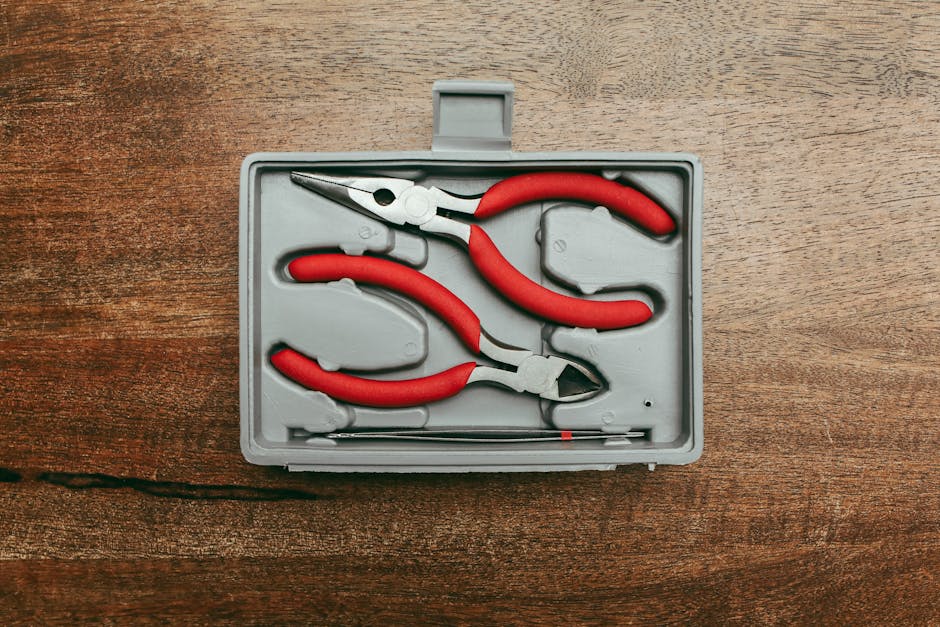
What separates professional from consumer tools
Ergonomics and injury prevention
Repetitive stress injury (RSI) is a leading occupational hazard. A poorly balanced screwdriver or wrench multiplies wrist strain over an eight-hour shift.
Professional tools integrate thoughtful grip geometry, weight distribution, and shock absorption. OSHA guidance on tool safety emphasizes that tool design directly impacts worker health.
Oem Tools and comparable manufacturers prioritize handle curvature and material dampening—small details that compound over thousands of daily uses.

Where professional hand tools deliver the most ROI
1. High-volume manufacturing or assembly — Tools see hundreds of hours annually; durability pays for itself.
- Consistent precision reduces rework
- Lower replacement frequency
- Reduced worker downtime
2. Precision mechanical work — Aviation, watchmaking, automotive repair require exact tolerances.
- Holds tight dimensions
- Resists accidental slipping
- Maintains accuracy across shifts
3. Field service and maintenance — Technicians carry tools daily; weight and durability matter.
- Lighter, better-balanced designs
- Weather-resistant finishes
- Longer lifespan in harsh conditions
The hidden cost of cheap tools
A ten-dollar wrench might slip and strip a bolt, requiring re-machining or part replacement. Downtime on a production line costs far more than upgrading tools.
Worn tools introduce dimensional inconsistencies. A rounding hammer leaves uneven impression marks. A dull chisel requires more force, increasing injury risk.
Professional tools amortize their higher initial cost across years or decades, while budget replacements accumulate waste and frustration.
Professional hand tools reward care: regular cleaning, proper storage, and occasional calibration keep them accurate and safe for 20+ years.
The investment in precision
Professional hand tools are capital, not consumables. They outlast cheaper alternatives by an order of magnitude and compound workplace safety and quality.
In 2026, as labor costs rise and downtime becomes more costly, choosing tools designed for durability and precision is a straightforward business decision.