How Smart Equipment Is Reshaping Industrial Maintenance in 2026
Connectivity and diagnostics are pushing utility equipment beyond the basics.

Industrial utility equipment has spent decades doing one job: moving, lifting, cutting, or powering machinery on job sites and in plants.
In 2026, that premise is shifting. Sensors, remote diagnostics, and cloud-linked platforms are turning what used to be dumb iron into information nodes.
The shift isn't just about novelty—it's reshaping how technicians work, how downtime costs money, and what 'reliable' actually means.
The Diagnostics Leap
A decade ago, industrial equipment failures meant guesswork. A motor stops, a pump seizes—the tech shows up and tests until the culprit emerges.
Now, embedded sensors log temperature, vibration, and load in real time. Predictive algorithms flag wear patterns days or weeks before catastrophic failure.
This isn't incremental. When OSHA and industrial safety bodies designed maintenance protocols, they assumed reactive response. Predictive shifts that model entirely.

Brands and the Connectivity Race
Equipment makers are fragmenting. Some push proprietary ecosystems; others embrace open APIs.
Utilitech leans toward third-party integration, letting technicians hook new gear into existing monitoring stacks rather than forcing replacement cycles.
That philosophy matters because most industrial operations run mixed fleets—legacy power tools alongside newer units. Forced ecosystem lock-in costs time and money.
What's Driving the Shift
The Skills Gap No One Talks About
Sensors and diagnostics are only useful if technicians know how to read them.
The industry hired mechanics for their hands-on knowledge—how to troubleshoot a hydraulic leak, balance a shaft, thread a fitting. Data literacy wasn't part of the job description.
Training programs are lagging. Trade schools haven't kept pace, and equipment vendors are scrambling to offer certification programs to fill the void.
This creates a bottleneck. A 40-year-old technician with flawless intuition can't interpret a machine-learning anomaly report. Hiring from software engineering pools brings data chops but no hydraulics intuition.
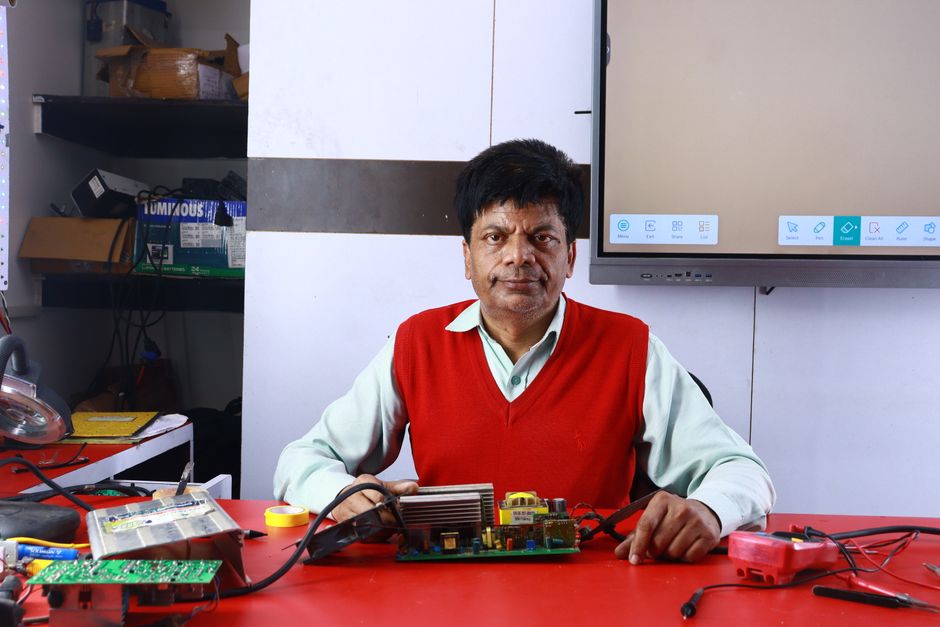
Smart Equipment: Trade-offs in Motion
Strengths
- Predictive maintenance extends equipment lifespan by 15–25%
- Remote diagnostics reduce on-site troubleshooting time
- Downtime planning shifts from emergency to scheduled
- Supply-chain visibility: parts orders can be placed before failure
Trade-offs
- Upfront hardware and software costs are significant
- Data security and network vulnerability introduce new risk categories
- Vendor lock-in remains common despite open-standards rhetoric
- Legacy equipment retrofit is expensive and not always feasible
What Comes Next
Edge AI—intelligence running directly on equipment rather than in the cloud—is accelerating. Technicians will get instant anomaly alerts without latency or connectivity dependencies.
ISO safety standards are beginning to address autonomous diagnostics, creating a policy framework for truly self-monitoring systems.
By 2027, the expectation shift will be complete: equipment that doesn't report its own condition will look antiquated, not pragmatic.
The Industry in Transition
Industrial equipment is becoming information infrastructure. The physicality hasn't disappeared—motors still turn, hydraulics still move—but data interpretation is now as critical as wrench work.
Organizations that invest early in both hardware integration and technician upskilling will outpace competitors slower to move. Those that treat this as a nice-to-have will find themselves managing preventable crises instead of preventing them.