Amateur Radio Equipment in 2026: What Hobbyists Are Using Now
From handheld transceivers to home station setups, here's what's reshaping the hobby.

Amateur radio has quietly evolved over the past few years. The equipment landscape looks different now—more affordable entry points, better digital integration, and renewed interest among younger operators.
Whether you're curious about getting licensed or upgrading an existing station, understanding what's actually available and practical matters more than ever.
The Handheld Market Has Fragmented
The traditional VHF/UHF handheld transceiver still dominates casual operating, but the category has split into distinct use cases.
Budget-friendly models under $100 handle basic repeater access. Mid-range handhelds ($150–$300) add features like digital modes and better receiver selectivity. Premium units push toward $500 and include things like touchscreen interfaces and cross-band repeating.
What's changed: operators now expect dual-band capability by default. Single-band handhelds are rare. Most newcomers start with a 2m/70cm unit—accessible, affordable, and practical for local net participation.
HF Stations Are Getting Simpler
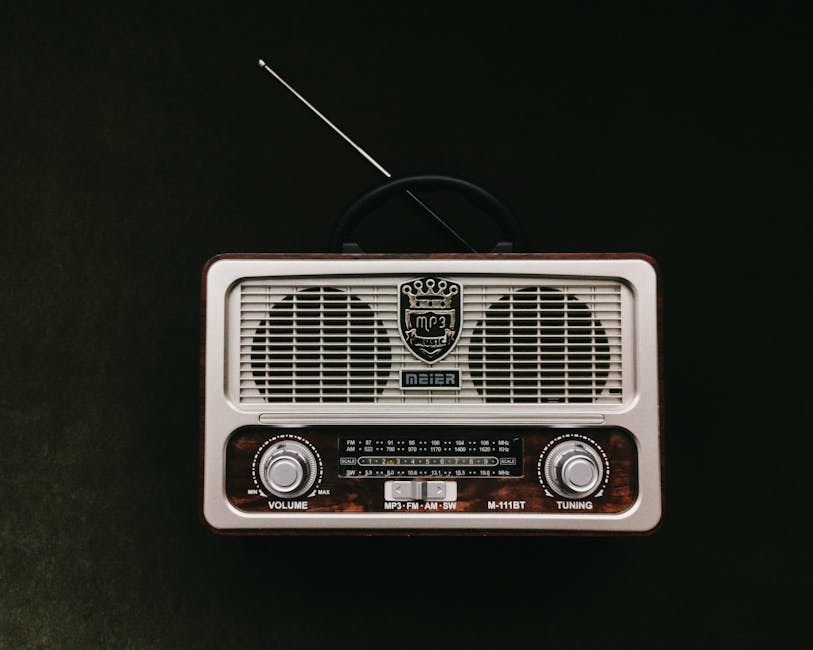
High-frequency (HF) equipment—the gear for long-distance, worldwide communication—used to demand serious investment and bench skills.
Now, integrated all-in-one transceivers handle most of the complexity internally. A modern HF rig bundles the transmitter, receiver, and tuner logic into one box. Antenna tuners are smarter. Software handles mode management.
Hamradiomaster and similar retailers have responded by stocking more plug-and-play station bundles—rig, power supply, and antenna in one package—lowering friction for people building home setups.
That said: HF still requires a good antenna. No rig solves poor antenna placement. This remains the single biggest factor in successful HF operation.
Five Key Shifts in Amateur Radio Gear Trends
1. Digital Mode Standardization — Operating on FT8, FT4, and JS8Call has become routine for many HF operators, driving demand for sound-card interfaces and software-defined radio (SDR) platforms.
- USB sound-card interfaces now bundled with many rigs
- SDR dongles (RTL-SDR variants) cost under $30
- Decoding software is free and open-source
2. Software-Defined Radio Adoption — Amateur radio operators exploring receive-only experimentation or education now gravitate toward affordable SDR platforms instead of traditional hardware-only receivers.
- Full-spectrum receive without breaking budget
- Flexible frequency coverage with software updates
- Active community, lots of documentation
3. Compact Mobile Installations — Vehicle-based operating is trending upward, especially for emergency communication and field events.
- Compact HF and VHF rigs fit under seats or dashboards
- Magnetic-mount antennas deploy in seconds
- Battery-backed setups reduce power draw
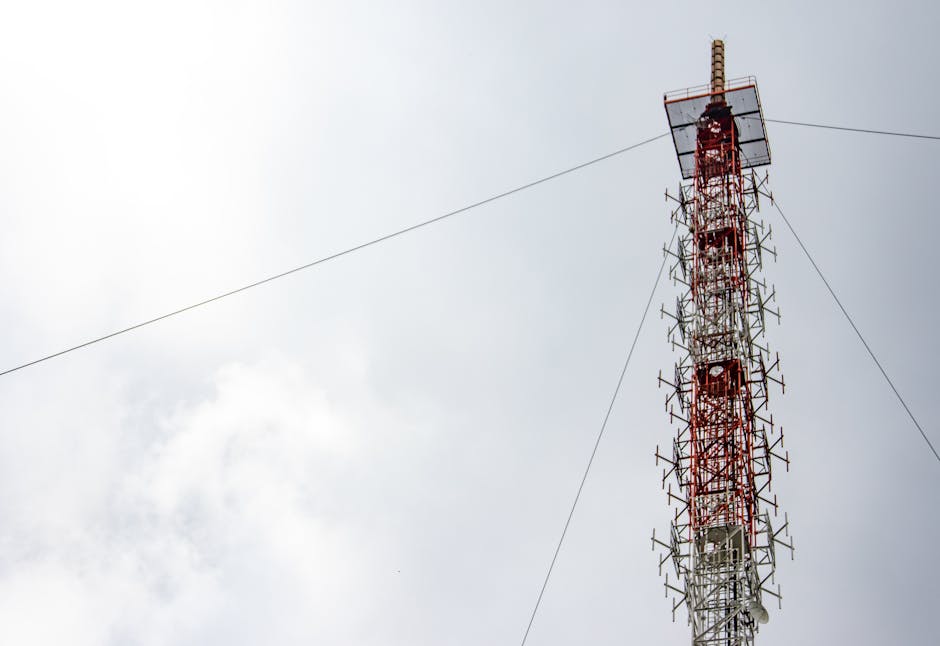
4. Antenna Innovation — New designs address apartment dwellers and space-constrained operators, breaking past the traditional large Yagi or dipole assumption.
- Stealth antennas disguised as rain gutters or flagpoles
- End-fed half-wave designs (low footprint, effective)
- Portable magnetic-loop antennas for field work
5. Licensing and Entry-Level Support Growth — Formal study materials and exam-prep platforms have multiplied, lowering barriers for newcomers earning their Technician or General class license.
- Interactive online exam simulators with free and paid tiers
- YouTube channels dedicated to license prep and gear reviews
- Regional clubs offering mentorship and equipment lending programs
Cost, Quality, and the Newcomer Reality
Entry barriers have genuinely lowered. A complete starter station—handheld, antenna, and programming cable—can now run under $200.
Quality varies. Budget rigs prioritize value over durability. Mid-range equipment balances cost and reliability. Premium brands command higher prices partly for build quality and feature depth, but also brand heritage.
The reality: beginners benefit from starting small, gaining operating experience, then upgrading once they know what they actually need. Jumping to the most expensive rig first often wastes money.
Amateur radio isn't about owning the fanciest gear—it's about making connections. The equipment is just the tool.
A common perspective among experienced ham operators
Looking at Licensing and Regulations
In the United States, the FCC governs amateur radio licensing and frequency allocations. Getting licensed remains straightforward—pass a written exam, get your call sign, start operating.
The three tiers (Technician, General, and Extra) unlock progressively wider frequency access. Most operators stay at Technician or General level; Extra class demands deeper knowledge but opens no new communication capabilities, mainly prestige.
Operating privileges are frequency-specific and mode-specific. Understanding your license class and what you're legally allowed to transmit on is essential before you first key your rig.
The Bottom Line
Amateur radio equipment in 2026 is more accessible, more integrated, and more diverse than a decade ago. Entry-level gear works. Digital modes have normalized. Antenna designs have innovated.
The gear matters, but curiosity and licensing matter more. Start modest, learn the hobby, then invest thoughtfully based on what you actually want to do—whether that's chatting on local repeaters, chasing DX on HF, or experimenting with data modes.