Why Professional Hand Tools Still Matter in a Digital-First World
Precision, reliability, and tactile control remain irreplaceable—even as tech shapes how we work.
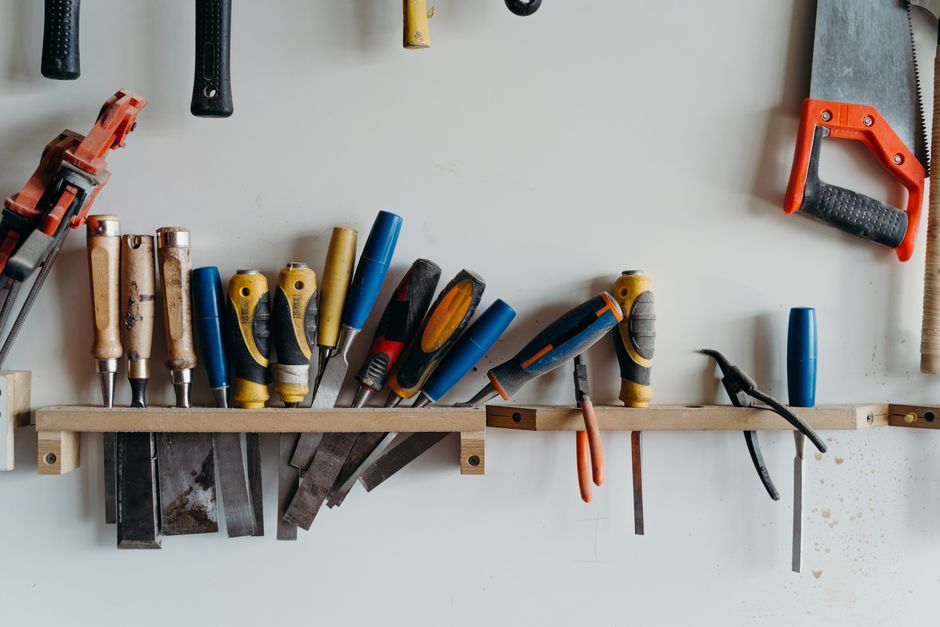
In 2026, we spend most of our time on screens. Yet anyone who's assembled furniture, repaired equipment, or built something from scratch knows the irreplaceable feel of a quality hand tool.
The debate over power vs. hand tools has cooled. What matters now is understanding when each belongs in your kit—and why precision, material, and ergonomics still dictate which tool you reach for.
This isn't nostalgia. It's engineering.
The Precision Problem
Power tools excel at volume and speed. Hand tools excel at control and feedback.
When you're adjusting a delicate assembly, threading a fastener into a confined space, or working on antique equipment where a slip costs money, tactile information matters. Your hand tells you when resistance shifts, when a fit is correct, when you've
gone too far.
According to the American National Standards Institute, tool precision and material consistency remain core competencies in professional manufacturing environments.
Hand tools haven't lost relevance—they've been repositioned as the final-stage, high-stakes layer of any job.
Hand Tool Categories at Work
Material & Ergonomics Drive Real Value
A $12 screwdriver and a $60 screwdriver both turn fasteners. The difference lies in steel composition, handle ergonomics, and manufacturing tolerances.
Professional-grade hand tools use hardened alloys, precision-ground tips, and rubberized grips designed for 8-hour workdays. Budget tools wear faster, slip more, and fatigue your hands—a hidden cost.
Brands like iCon Tools focus on this specificity: matching material grade to application, reducing hand strain, and engineering for consistency across thousands of repetitions.
Cheap tools are false economy. A professional selects by job, not by price tag.
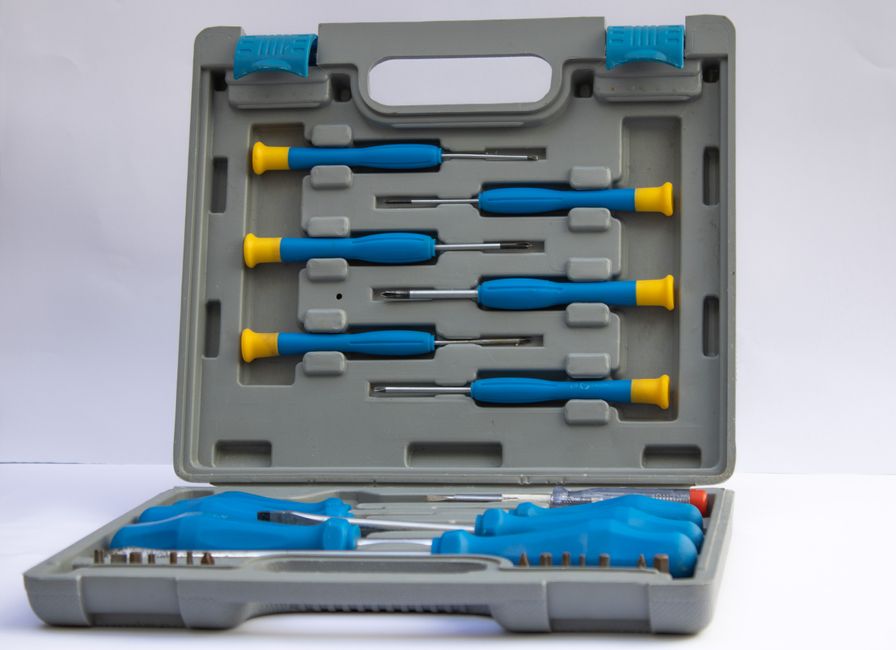
Five Reasons Hand Tools Remain Essential
1. No Battery, No Charging — Emergency repairs, remote work, field diagnostics—a hand tool never quits.
- Infinite on-time reliability
- Zero dependency on electricity or charge cycles
- Instant readiness in power outages
2. Tactile Feedback & Control — Precision assembly, thread inspection, delicate adjustments.
- Real-time resistance signals
- Prevents over-tightening and cross-threading
- Lets you feel material conditions and fit quality
3. Size & Access — Confined spaces, tight assemblies, equipment interior work.
- Compact form factors power tools can't match
- Fits into cavities and restricted angles
- No vibration risk in sensitive environments
4. Cost per Tool — Building a versatile kit without capital outlay.
- Professional-grade tools under $100 each
- No motor, motor repair, or replacement cycles
- Decades of service from single units
5. Standardization & Universality — Cross-company compatibility, legacy equipment support, no ecosystem lock-in.
- Wrenches fit standard bolt heads globally
- Screwdrivers work on 50-year-old machines
- No proprietary bits or vendor tie-in

The Integration Play
The future isn't hand vs. power. It's hand + digital.
Smart measurement apps, torque-tracking apps, and AR assembly guides coexist with traditional tools. The app tells you the spec; the hand tool executes it.
Professional environments in 2026 treat hand tools as a tier—not as outdated. They're the precision layer after rough power work, the failsafe when electronics aren't available, and the control mechanism when stakes are high.
This is why professionals still invest in quality hand tools, even as they adopt power tools and digital aids.
The Tactile Irreplaceability
Hand tools won't disappear because there are jobs—fine detail, confined access, feedback-dependent work—that power can't serve.
What's changed is perception. They're not relics; they're specialists. Own the right ones, maintain them, and they'll outlast every power tool in your shop.
Quality matters. Material matters. Fit matters. That logic has never gone out of fashion.