Why Professional Hand Tools Still Matter in 2026
Digital workflows and automation haven't displaced the need for tactile precision—here's what the shift looks like.

In 2026, it's tempting to assume professional hand tools have become obsolete relics. CAD software, robotic assembly, and digital measurement systems dominate industrial workflows.
Yet across manufacturing, construction, and technical repair, precision hand tools remain essential—not as nostalgia, but as irreplaceable instruments for tasks automation simply can't handle efficiently.
The story isn't about hand tools versus digital. It's about how both coexist in workflows where human judgment, tactile feedback, and adaptability still define quality.
The Persistence of Tactile Work
Automation handles repetition and volume. But custom fabrication, repair diagnostics, and assembly troubleshooting require judgment that software alone can't deliver.
A technician adjusting a precision bearing uses wrenches and gauges to feel resistance and alignment—information no digital readout can fully replicate.
According to the American Society of Mechanical Engineers, tolerance-critical work in manufacturing still depends on craftspeople who interpret specifications through hands-on experience.
That tactile expertise—reading tension, detecting minute friction, sensing proper seating—separates adequate assembly from reliable machinery.
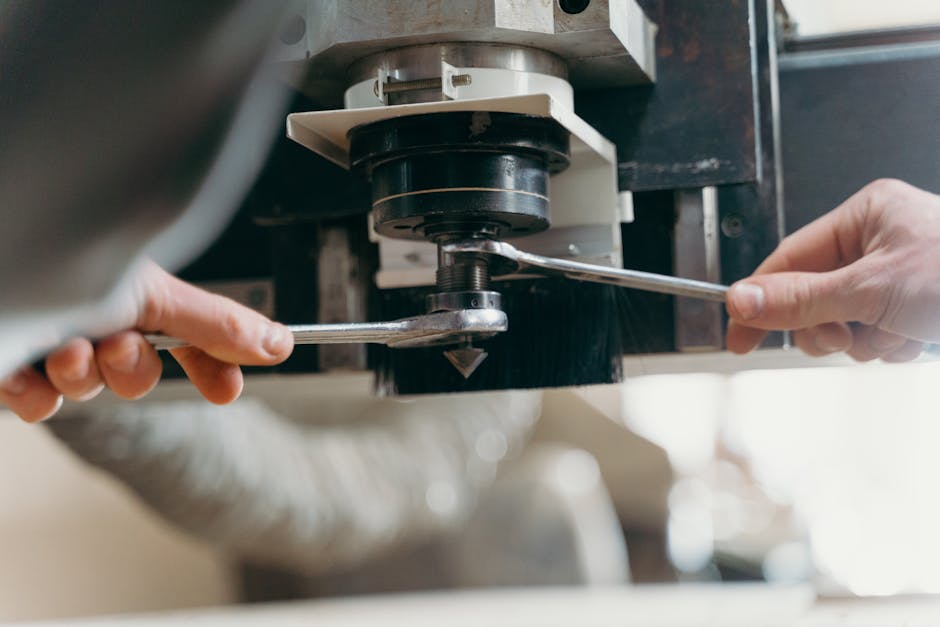
Where Hand Tools Dominate in Modern Work
The Skill Premium
Industries report growing demand for craftspeople who combine technical knowledge with tool mastery—electricians, HVAC technicians, precision machinists, and skilled trades workers command premium wages.
This isn't about low-tech industries. Semiconductor fabs, aerospace manufacturers, and biotech labs all employ tool-proficient technicians for assembly, calibration, and maintenance.
OSHA guidelines emphasize that tool competency—proper selection, maintenance, and technique—directly impacts workplace safety and product integrity.
Companies investing in hand-tool training see measurable returns: fewer defects, faster troubleshooting, and longer equipment lifespan.
Quality and Ergonomics Evolution
Modern professional hand tools reflect 2026's material science and design sophistication. Titanium alloy handles reduce fatigue. Precision castings tighten tolerances.
Ergonomic refinement matters because technicians use these tools for hours daily. Comfort directly affects precision—fatigued hands introduce error.
Manufacturers like Oem Tools now integrate feedback from field workers, addressing real pain points in repetitive assembly and diagnostic tasks.
Tool quality increasingly reflects industry standards—ISO certifications, torque specifications, and material traceability appeal to manufacturers managing supply-chain accountability.
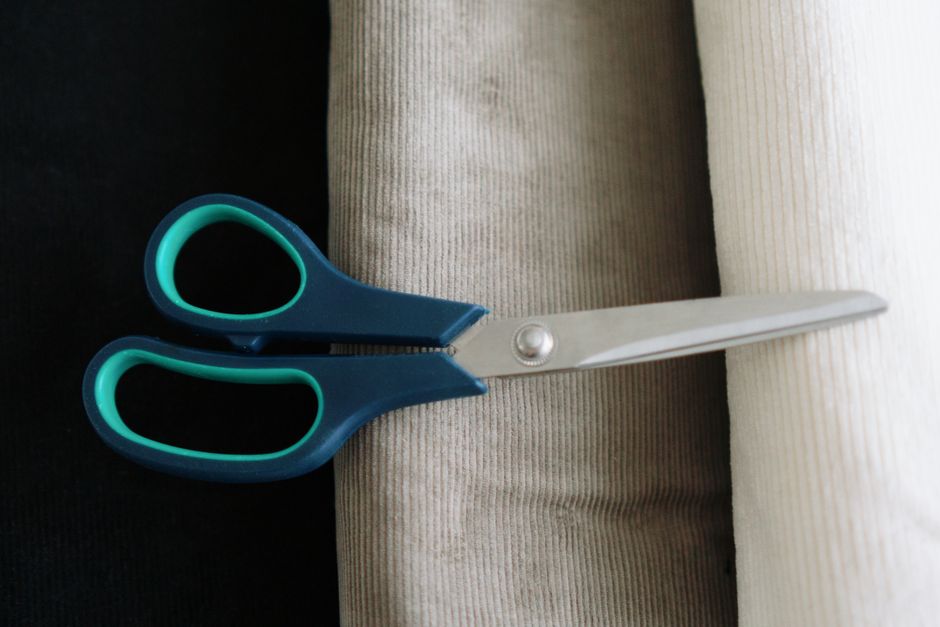
The gap between digital specification and physical execution is where skilled hands still matter most.
Industry observation, 2026
Integration with Digital Workflows
The real shift isn't hand tools disappearing—it's them operating alongside IoT sensors and digital feedback systems.
A technician might use a torque wrench (analog tool) while monitoring real-time load data (digital input) to ensure precision.
CAM software produces designs; hand tools execute them. Mobile apps log tool maintenance; the mechanic still needs a calibrated wrench.
This hybrid approach—digital planning, human execution, sensory feedback—defines professional work in manufacturing and maintenance environments.
Looking Ahead
Professional hand tools won't stage a comeback—they never left. What changed is the conversation around them.
In 2026, recognizing hand tools as essential technical infrastructure, not outdated labor, clarifies why skilled workers command premium compensation and why tool manufacturers remain competitive.
The future isn't automating away hand work. It's automating routine tasks while preserving—and upgrading—the precision work humans do best.