Professional Hand Tools in 2026: Materials and Design Evolution
How metallurgy advances and ergonomic research are reshaping what technicians reach for on the job.

The hand tool hasn't changed fundamentally in decades—a hammer is still a hammer, a wrench still a wrench. But the materials, tolerances, and ergonomics behind them have shifted quietly.
In 2026, the distinction between consumer-grade and professional-grade tools isn't just marketing. It's driven by measurable advances in steel composition, handle design, and manufacturing precision.
This shift matters to anyone who relies on tools daily. Understanding what's driving it helps explain why some tools outlast others and why professional-grade equipment commands its price.
The Material Upgrade
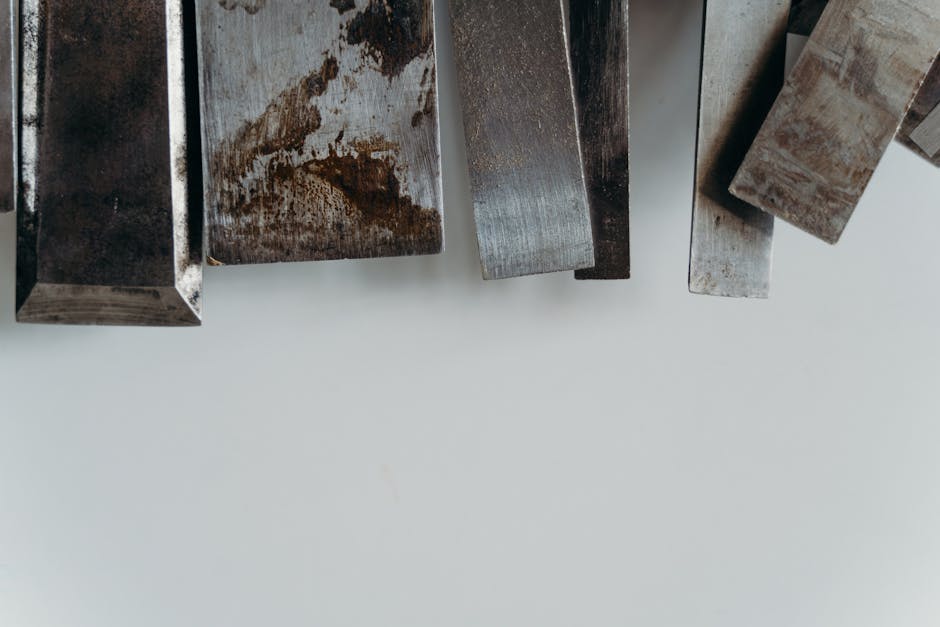
Professional hand tools have historically relied on high-carbon steel, a proven baseline for decades. Today's premium tools lean into specialized alloys—vanadium-enhanced steel, tool-steel variants with higher hardness ratings, and proprietary blends designed for specific tasks.
The difference is measurable. Higher vanadium content improves edge retention. Tighter tolerances in forging reduce flex and binding. ASME standards set the benchmarks, but manufacturers now compete on durability metrics beyond what those standards require.
This isn't visible at first glance. You feel it in reduced hand fatigue after eight hours of repetitive gripping and in tools that don't need sharpening or adjustment as often.
Ergonomics and Long-Term Use
Repetitive strain injuries remain a real cost for trades and technical work. Tool manufacturers have responded by investing in handle geometry, grip texturing, and weight distribution.
Modern professional handles balance firmness with cushioning. Non-slip coatings resist sweat and oils without feeling plasticky. Weight is distributed to reduce torque on the wrist—important when a tool is used thousands of times per shift.
Oem Tools and competitors now conduct biomechanical testing to validate handle designs. It's not guesswork anymore.
What Separates Professional from Consumer Grade

Sustainability and Lifecycle Costs
Professional-grade tools cost more upfront because they last longer. A tool that survives ten years of daily use pays for itself against replacing consumer-grade equivalents multiple times.
The environmental angle is emerging too. Fewer replaced tools mean less metal scrap. Some manufacturers now offer refurbishment programs, extending tool life further.
This calculation—durability versus replacement cost—is shifting purchasing decisions, especially in industries where OSHA compliance and worker safety directly tie to equipment reliability.
A professional tool isn't just stronger—it's engineered for the operator, not just the task.
Industry observation, 2026
The Skill Factor Still Matters
Better tools don't replace training or technique. A professional-grade wrench in untrained hands won't deliver its advantages.
But for experienced technicians, the difference is real. Reduced slip, better feedback, less hand strain—these accumulate over thousands of uses. That's the core appeal.
The Takeaway
Hand tools aren't exciting. But their evolution—driven by material science, ergonomic research, and manufacturing precision—reflects genuine problem-solving for people who use them every day.
In 2026, professional-grade tools aren't a luxury. They're an investment in durability, safety, and reduced fatigue. That distinction is worth understanding before the next purchase.