Portable Power Solutions: What Changed in 2026
Battery tech, charging speed, and form factor innovations reshape how we think about on-the-go energy.
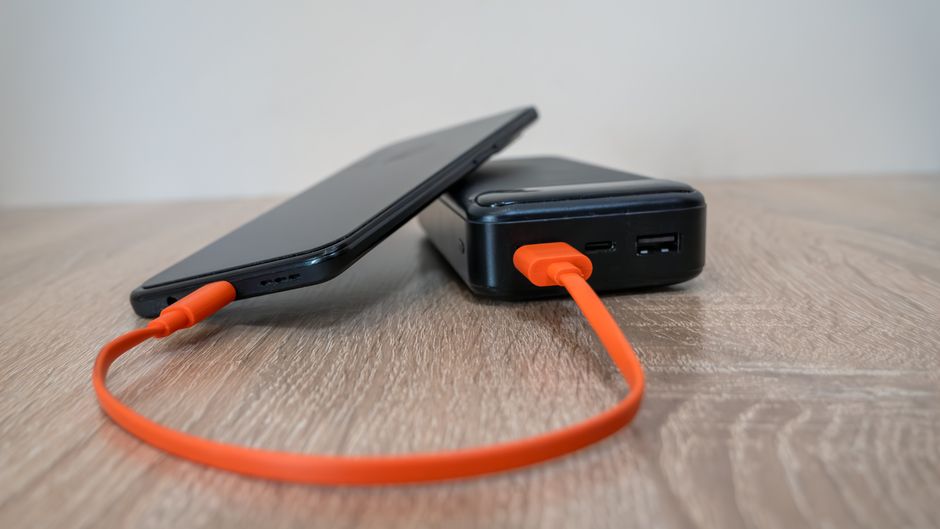
Portable power has stopped being a niche gadget category. In 2026, it's table stakes—especially as devices grow hungrier for energy and work-from-anywhere becomes the norm.
The conversation around these solutions has shifted from 'Do I need one?' to 'Which one fits my workflow?' That shift reveals something deeper about how we've redesigned our relationship with charging.
Battery chemistry evolves quietly
Lithium-ion still dominates, but lithium iron phosphate (LFP) cells have gained real traction in the portable space. They charge faster, last longer, and degrade more slowly than older chemistries.
The practical upshot: devices rated for 500–1,000 charge cycles now hit 2,000+ cycles routinely. That extends the useful life of a power bank from two or three years to five or six.
Heat management improved too. Smarter charging algorithms prevent the thermal throttling that used to cripple fast-charging setups.

Key metrics reshaping the market
Multi-port charging became non-negotiable
Single USB-A outlets vanished. Today's power solutions ship with at least two USB-C ports and often include a wireless charging pad or AC outlet adapter.
This matters because simultaneous charging—phone, tablet, earbuds, and a laptop all at once—stopped being a fantasy. Brands like Halo Bolt now bundle AC outlets and multiple high-wattage USB-C outputs as baseline, not premium features.
The tradeoff is size and weight. True multi-port solutions hit 1.5–2.5 pounds. Consumers learned to accept that trade-off because a single charger replacing five cables feels genuinely lighter overall.
Trade-offs in the current landscape
Strengths
- Charge multiple devices simultaneously without speed loss
- Modular designs reduce cable clutter and forgotten chargers
- Wireless charging integrates seamlessly into desk setups
- LFP chemistry means fewer replacements over a device lifetime
Trade-offs
- Larger capacity units weigh 2+ pounds—not pocket-friendly
- AC outlet models need grounded wall sockets (limited outdoors)
- Wireless charging heat is still noticeable in summer travel
- Premium multi-port solutions exceed $200, pricing out casual users

Real-world durability replaced marketing claims
Testing labs and NREL research on battery behavior shifted the conversation from "how many charges?" to "what's the actual degradation pattern?"
Users now ask: Does this unit still deliver rated capacity after 18 months? How does it handle 40-degree heat? Does it auto-cut after charging to prevent trickle damage?
Manufacturers responded by publishing real cycle-test data instead of theoretical estimates. Transparency became a selling point.
The form-factor revolution nobody saw coming
Ultra-compact designs (roughly the size of a thick deck of cards) returned because USB-C fast-charging finally worked at scale. You don't need a car-battery-sized pack to charge a laptop anymore.
Simultaneously, integrated folding stands and kickstands transformed power banks from charging bricks into functional desk accessories.
This split the market into two clear camps: ultra-portable (sub-5,000 mAh, <6 oz) for commuters, and desk-anchored multi-port stations (20,000+ mAh, permanent placement) for remote workers.
Portable power stopped being about emergency reserves. It's now about seamless workflow integration.
Industry observers tracking consumer behavior shifts, 2026
The standard crystallized
By 2026, the portable power category matured into a predictable ecosystem. USB-C PD charging standardized the interface. LFP battery chemistry addressed longevity concerns. Multi-port became baseline.
The remaining innovation happens at the margins—wireless charging efficiency, form-factor novelty, weight-to-capacity optimization. But the core problem, 'How do I charge my devices on the go?' stopped being interesting and became routine.
That's not boring. That's exactly what a mature technology should be.